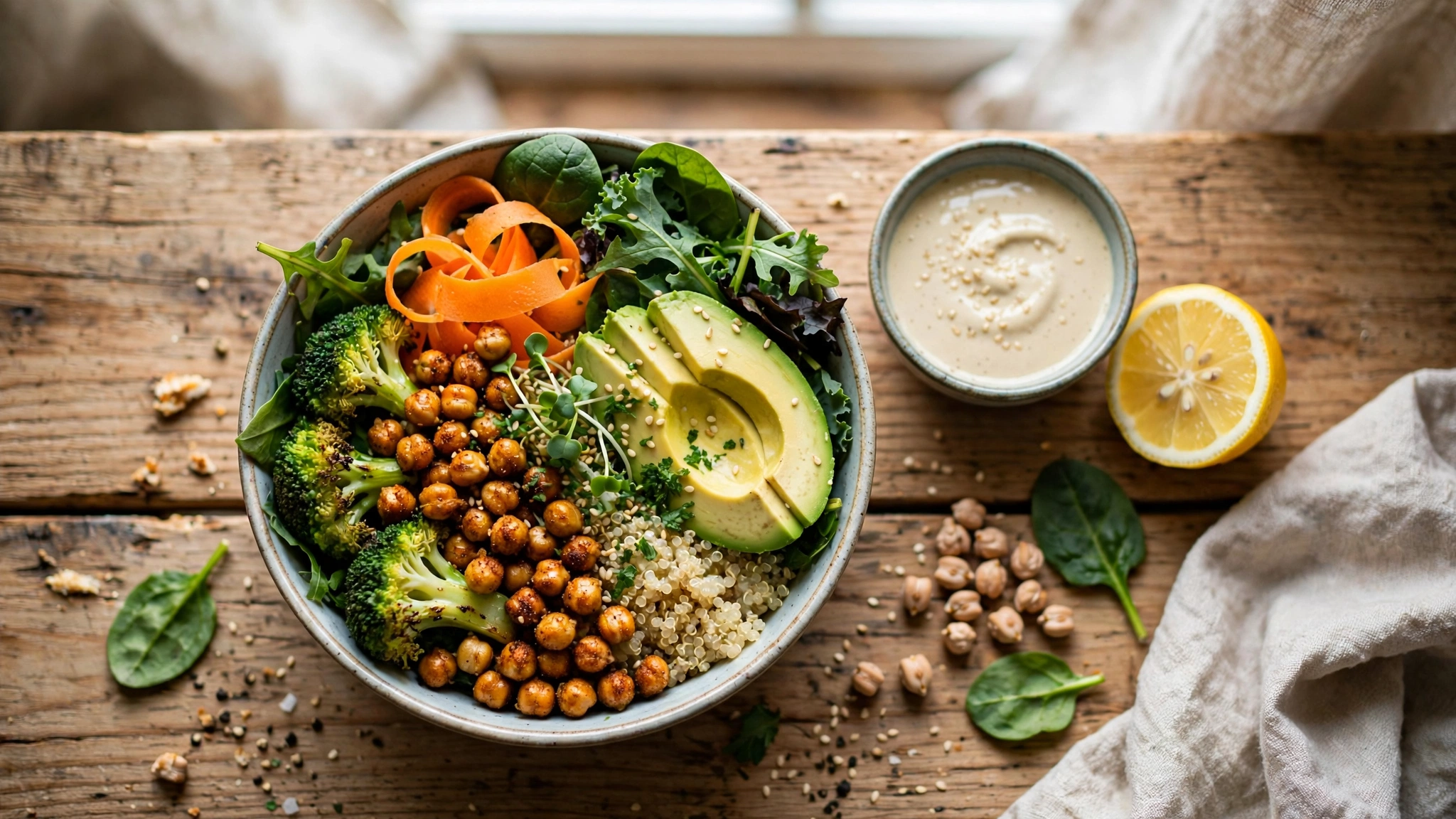
You have probably heard friends, coworkers, or a cousin at a family dinner talk about eating more plants. Maybe you are curious but unsure where to begin. Does it mean giving up every food you like? Will you get enough protein? What do you even cook on a Tuesday night?
This guide answers those questions in plain language. You will learn what plant-based eating means, what a balanced plate can look like, which benefits are worth knowing about, and a simple way to begin without overhauling your kitchen in one weekend.
What does "plant-based" mean?
At GreenLife, plant-based means meals built entirely from plants: vegetables, fruits, legumes (beans, lentils, chickpeas), whole grains, nuts, seeds, and soy foods such as tofu. Meals contain no meat, fish, dairy, or eggs. Every recipe in the GreenLife app follows that rule.
You will see the word used in other places with a looser meaning, so it helps to know that definitions vary. Here, the plate is simple: everything on it grows from the ground or a tree.
What a balanced plant-based plate looks like
A plant-based plate does not need to be complicated. A useful way to think about a meal is in four parts:
- Vegetables for color and volume. Broccoli, bell peppers, carrots, leafy greens, snap peas, tomatoes. Aim for a few different colors in one meal.
- Protein-rich plants. Lentils, chickpeas, beans, tofu, tempeh, and edamame are all good choices, and so are nuts and seeds in smaller amounts.
- Whole grains or starches. Quinoa, brown rice, oats, or whole wheat pasta give a meal staying power.
- A flavor and healthy fat element. Avocado, tahini, olive oil, sesame oil, or a squeeze of lemon turns simple ingredients into something you look forward to eating.
The Rainbow Buddha Bowl is a good example of all four parts on one plate. It combines quinoa, roasted chickpeas, mixed vegetables, leafy greens, and avocado, finished with a tahini and lemon dressing.
Benefits worth knowing about
Many people are drawn to plant-based eating for different reasons: health, cost, the environment, animal welfare, or plain curiosity about new flavors. On the health side, here is what is reasonable to say.
- More fiber. Vegetables, fruits, legumes, and whole grains all contain fiber, and plant-based meals tend to include more of these foods. Fiber supports digestion and helps you feel full.
- More variety on the plate. Building meals around vegetables, beans, and grains encourages you to try ingredients you may not have cooked before.
- Heart health. Major health organizations describe eating patterns rich in vegetables, fruits, legumes, whole grains, nuts, and seeds as supportive of heart health. Results depend on the whole diet, not only on whether it is plant-based. A meal of fries and soda can technically be plant-based too.
Eating style is only one part of health. Sleep, activity, medical history, and the overall quality of your food all matter. Treat any eating pattern as a way to support your habits, not as a guarantee.
Common questions beginners ask
Will I get enough protein?
Plants contain protein, and many everyday plant foods are good sources. Lentils, chickpeas, beans, tofu, tempeh, edamame, quinoa, nuts, and seeds all contribute. Eating a variety of them across the day is a practical way to cover your needs. GreenLife's Hearty Lentil Curry and Vegetable Stir-Fry with Tofu both center on protein-rich plants.
Is there anything I should plan for?
Yes. Vitamin B12 is the one most often mentioned. It is not reliably found in plant foods, so people who eat no animal products commonly rely on fortified foods or a supplement. If you are pregnant, managing a health condition, feeding children, or taking medication, talk with a doctor or registered dietitian before you change how you eat. They can check which nutrients matter for you.
Is it expensive?
It does not have to be. Dried or canned lentils, beans, and chickpeas, rice, oats, and frozen vegetables are some of the most affordable foods in the store. Our starter pantry guide covers what to buy first.
Do I have to change everything at once?
No. Plenty of people begin with one meal or one day and build from there. Starting small lets you learn what you enjoy cooking before you commit to more.
A simple way to start this week
- Pick one meal to make plant-based. Dinner is a good choice because it is easy to plan.
- Choose a recipe with ingredients you recognize. The Vegetable Stir-Fry with Tofu takes about 15 minutes to prep and 10 minutes to cook, and it serves four.
- Stock a few staples. A handful of pantry basics make future meals faster. Check the shopping section for ideas, and choose plant-based versions of any item.
- Repeat what you liked. Cook it again next week, then add a second dish.
- Read labels. Some breads, pastas, and sauces include milk or egg ingredients, so a quick look at the ingredient list helps.
Where to go next
Curiosity is enough to begin. Browse the GreenLife recipes and pick the one that sounds most like something you would eat tonight. You will learn more from one cooked meal than from a week of reading about it.
This article is general information and does not replace advice from a doctor or registered dietitian.